
Dental Crowns in Castro Valley, CA
A damaged tooth does not always require extraction. A custom dental crown can restore strength, improve appearance, and help preserve your natural tooth for years to come. If you’re looking for Dental Crowns in Castro Valley, CA, your dentist will examine the affected tooth, assess your overall oral health, and recommend the treatment that best fits your needs and long-term oral health goals.
What is a Dental Crown?
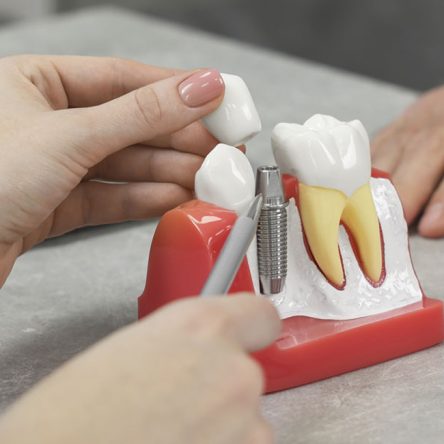
When a tooth has been weakened by damage, decay, or extensive treatment, a custom dental crown can restore its strength and appearance. The crown fits over the tooth to provide protection and support while preserving as much healthy tooth structure as possible.
A crown may be recommended for:
- Cracked or broken teeth
- Large fillings with limited healthy tooth structure
- Teeth treated with root canal therapy
- Severe discoloration
- Excessive wear
Types of Dental Crown Materials
Several factors influence which crown material is most appropriate, including the position of the tooth, your bite, and your smile goals. Based on these considerations, your dentist will recommend the material that offers the best balance of strength and appearance.
- Porcelain or ceramic: The most natural-looking option for visible teeth.
- Zirconia: Strong, durable, and increasingly popular for both front and back teeth.
- Porcelain-fused-to-metal (PFM): With this, you can get a balance of strength and aesthetics.
- Metal: Extremely durable, but generally used for less visible teeth.
Benefits of Dental Crowns
Dental crowns help:
- Protect weakened teeth from further damage.
- Restore normal chewing and biting.
- Improve the appearance of damaged or discolored teeth.
- Reinforce teeth after root canal treatment.
- Preserve natural teeth whenever possible.
Many patients choose porcelain crowns or other custom dental crowns because they combine durability with a natural appearance.
The Dental Crown Procedure
Usually, dentists can complete the dental crown procedure in two visits.
At the initial appointment, your dentist evaluates the tooth, addresses any underlying concerns if needed, and prepares it for the custom crown. Professionals take Impressions to create a custom restoration, and a temporary crown protects the tooth.
At the second visit, the permanent crown is checked for fit, bite, and appearance before being permanently bonded. Depending on your clinical needs, same-day dental crowns may also be available using digital technology.
What to Expect During Treatment
Treatment is typically comfortable with local anesthesia. Mild sensitivity after preparation is common but temporary. Once placed, your crown should feel natural and allow you to chew comfortably while protecting the underlying tooth.
How Much Do Dental Crowns Cost?
If you are searching for “dental crowns near me”, remember that the cost of a crown varies based on several factors, including the material selected, the location of the tooth, treatment complexity, and whether additional procedures such as root canal therapy are needed. Many insurance plans provide partial coverage for a medically necessary crown, and financing options may be available. Prior to the treatment, your dentist will explain the recommended care, review your insurance benefits if applicable, and provide a personalized estimate.
Crowns vs. Bridges vs. Onlays
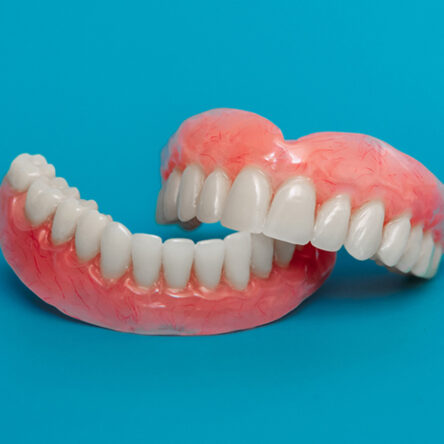
Each restoration serves a different purpose. Dentists use crowns to restore and reinforce weakened teeth, whereas bridges are used to replace missing teeth with support from nearby teeth or dental implants, and an onlay repairs part of a damaged tooth while preserving healthy tooth structure whenever possible. The right treatment depends on the condition of your tooth and your oral health, and with your dentist’s assistance, you can choose the option that best supports your long-term dental health.
Caring for Your Dental Crown
A dental crown can last longer with consistent care. To help protect your dental crown, brush and floss every day, avoid biting hard objects, and keep up with routine dental visits. The durability of most crowns is 5 to 15 years. However, it depends on the material, oral hygiene, and everyday habits.
Schedule a Dental Crown Treatment Appointment Today
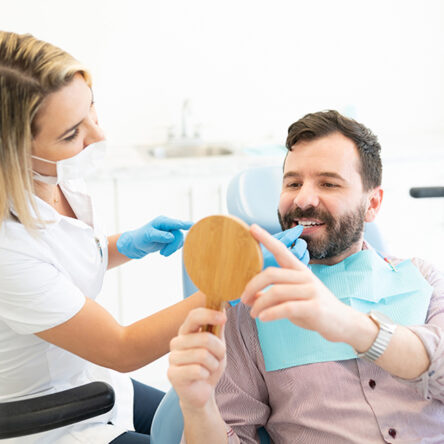
Dental crowns can restore teeth affected by cracks, extensive damage, or root canal treatment while also improving the appearance of your smile when appropriate. Schedule a consultation to find out whether this treatment is appropriate for your oral health needs.
FAQs
No. Local anesthesia keeps the area comfortable during treatment. It is normal to notice mild sensitivity for a short time after treatment, and it usually subsides within a few days.
A dental crown can last for many years with consistent oral hygiene and regular dental visits. While its lifespan varies based on the material and daily habits, many crowns remain in good condition for 5 to 15 years or more.
Avoid chewing on a temporary crown. Once the permanent crown is bonded, most patients can return to their normal diet.
Insurance benefits for dental crowns vary by plan, but many policies provide partial coverage when the treatment is needed to restore a damaged tooth.
Crowns are designed to cover the full visible section of a tooth, helping rebuild its strength and function, while veneers are thin shells placed on the front surface to improve aesthetics.
Dental Services